
How does it work?
In Morse code, each letter, number, and some punctuation marks are represented by a unique sequence of short signals called dots and long signals called dashes. Dots are quick, short signals, while dashes are longer signals that last approximately three times as long as a dot.
For example, the letter “A” is represented by a dot followed by a dash, the letter “B” is represented by a dash followed by three dots, and the letter “C” is represented by a dash followed by a dot and a dash. By combining dots and dashes, messages can be encoded and transmitted using Morse code.

Morse code can be transmitted using various methods, such as flashing lights, sounding alarms, or tapping on surfaces. It offers a versatile and efficient way to convey messages, even in situations where verbal communication may be challenging or impossible.
Unfortunately, morse code is so well known that many people can read it easily. Any message written in morse code is very simple to translate, so it’s best to combine morse with another cipher, like Vigenère, so the decoded message is still illegible to third parties.
Where is it used?
One notable application is in amateur radio communication. Morse code proficiency is a requirement for many amateur radio licenses, allowing operators to communicate effectively using Morse code over radio frequencies. This aspect of Morse code preserves a historical connection to early radio communication and provides a means of communication during emergency situations or in areas with limited infrastructure.
Additionally, Morse code continues to be used in aviation and maritime industries. Pilots, air traffic controllers, and sailors are often trained to interpret and transmit Morse code distress signals, ensuring a reliable means of communication in critical situations.
Morse code’s simplicity and universality also make it useful for various recreational and educational purposes. It is employed in puzzle-solving, escape rooms, and even as a method of teaching language skills to individuals with communication impairments.
History
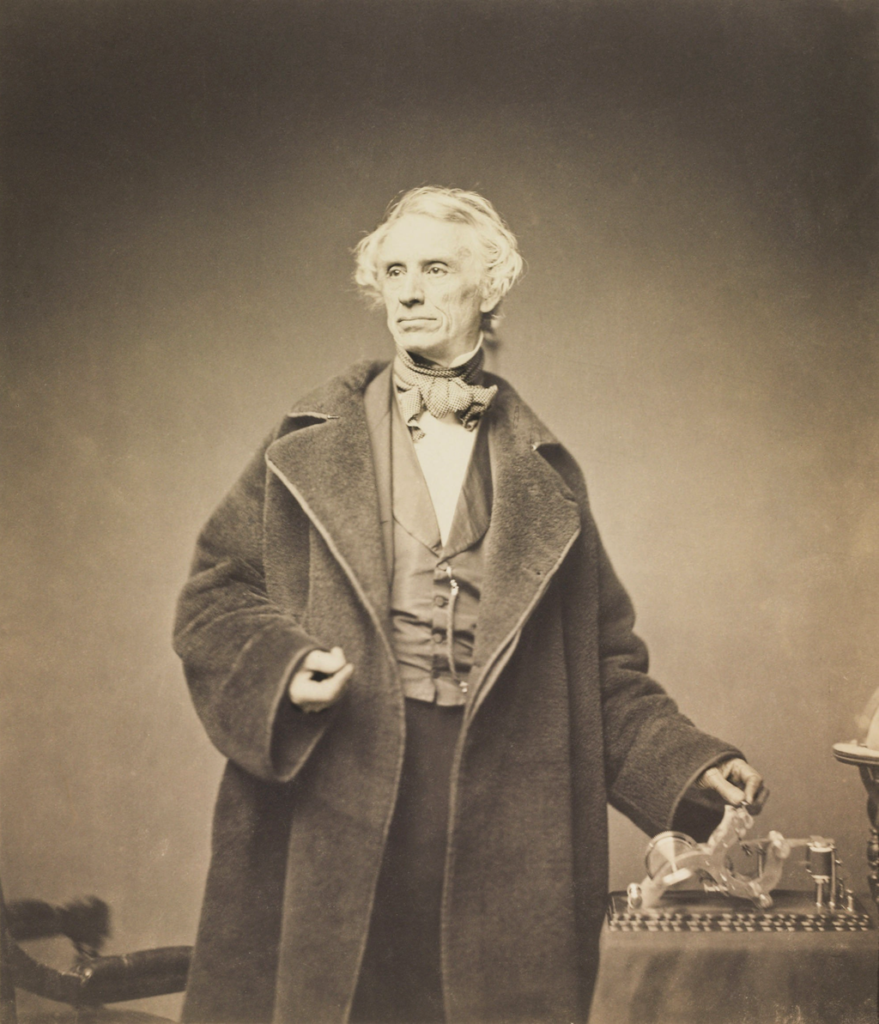
The development of Morse code revolutionised long-distance communication in the 19th century. Samuel Morse and Alfred Vail collaborated to create a system that utilized the transmission of electrical signals through telegraph wires. Their invention enabled the transmission of messages across vast distances, transforming the speed and efficiency of communication.
Morse code played a crucial role in maritime communication, allowing ships to transmit messages via telegraph cables and later through wireless radio systems. It became a universal standard and was widely used by operators worldwide.
Although newer technologies have largely replaced Morse code in everyday communication, its historical significance and cultural impact persist. Morse code stands as a testament to human ingenuity and the evolution of communication systems throughout history.
More Information
For further exploration of Morse code and its applications, consider referring to the following resources: