
How does it work?
Encoding a message in Caesar Cipher is accomplished by shifting each letter by a chosen amount. For example, if a 5 letter shift was chosen, every ‘A’ in the message would become an ‘F’, every ‘B’ would ‘G’ and so on. The same process can be done in reverse to decode the message. When using Caesar cipher manually, it’s easiest to use 2 ‘wheels’ of letters, and physically shifting them the desired amount of spaces.
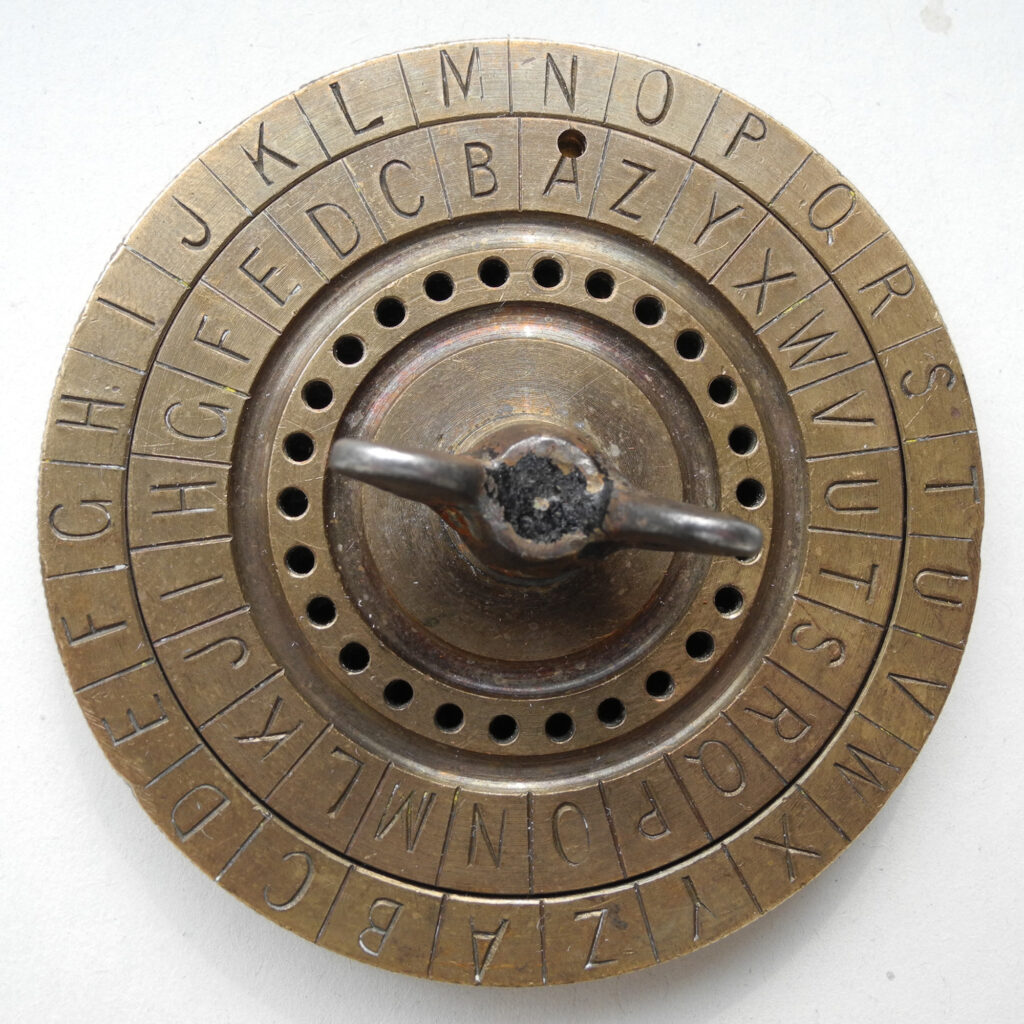
Caesar cipher is easy to learn, quick to read and write, and only uses the standard Latin alphabet, making it easier to handle for computers. Unfortunately, Caesar cipher is extremely insecure by modern standards, and is easily decoded by any experienced hacker.
Where is it used?
In modern life, Caesar cipher is mainly used in 2 ways. Firstly, it is used to teach children about ciphers and cryptography as it’s relatively simple and teaches them the basics of hidden messages.
Secondly, it is often used on Social Media. A post may be written in ROT13, or ‘rotate 13’, which means encoding the message in Caesar cipher shifted by 13 letters. This is not used to keep the content secure, but to make the message viewable only to those who want to read it. This has lead to its widespread use in hiding spoilers from those who wish to avoid them.
History
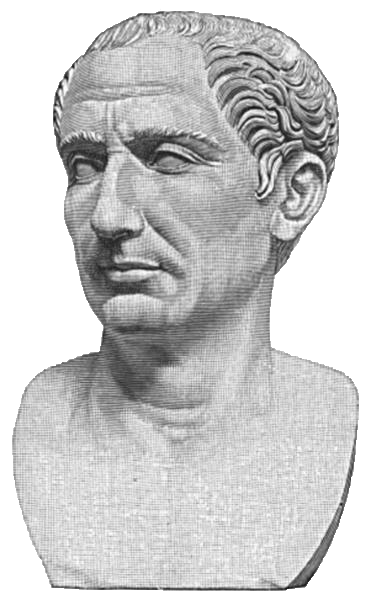
As the name suggests, the history of the Caesar cipher dates back to ancient Rome, where it was used it for military communications. It was a simple and effective method to convey messages securely, as long as the recipient knew the number of letters shifted. The Caesar cipher is considered one of the earliest known encryption techniques.
While most of the world moved on to more secure encryptions, the Russian army went back to the Caesar cipher in as recently as 1915, using it as a replacement for more complicated ciphers which had proved to be too difficult for their troops to master.
More Information
If you’d like to know more, have a look at these: