
How does it work?
Binary is a numerical system that uses only two digits: 0 and 1. It may seem different from the familiar decimal system we use in everyday life, which consists of ten digits from 0 to 9, but it does follow the same principles. In binary, each digit represents a power of 2, with the rightmost digit representing 2^0 (1), the next digit representing 2^1 (2), the next representing 2^2 (4), and so on. By combining these binary digits, or bits, we can represent and process information in a way that computers understand. One method of encoding data in bits (used by this app) is called ASCII.
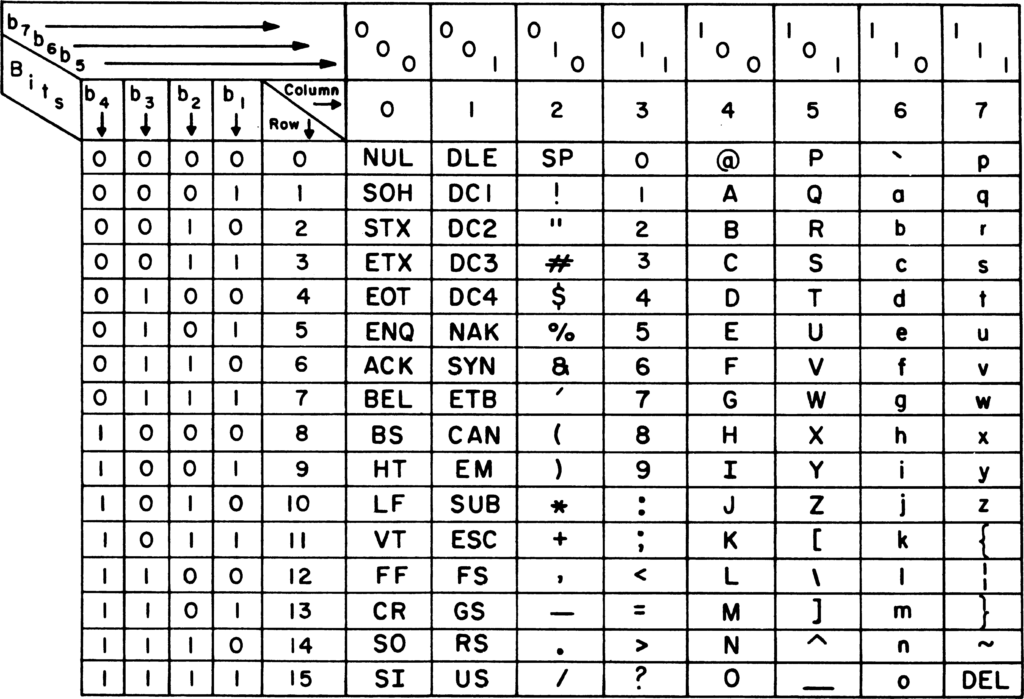
8-bit ASCII (American Standard Code for Information Interchange) is a widely used character encoding standard that assigns a unique binary code to each character in the English alphabet, numeric digits, punctuation marks, and a range of special symbols. In 8-bit ASCII, each character is represented by an 8-bit binary number, allowing for a total of 256 unique characters to be encoded.
For example, the letter “A” is represented by the binary code 01000001, while the letter “a” is represented by 01100001. Each character in the ASCII table is assigned a specific binary value, allowing computers to store, transmit, and display text using a standardized encoding scheme.
Binary representation is simple for a computer to perform, and becomes easy for a human, given some practice and the use of a ASCII table. To someone who does not have experience with binary, the sheer number of digits can dissuade them from even trying to decode a hidden message.
On the other hand, Binary representations are trivial to decode to anyone who has learned about them. They also take up a large amount of space when written down.
Where are they used?
The obvious use for binary knowledge is in the field of computer programming, where developers use binary to represent and manipulate data at its most fundamental level. Understanding binary is crucial for tasks such as writing algorithms, designing software, and working with low-level hardware.
Outside of technical fields, binary has cultural and artistic implications as well. Some artists and designers incorporate binary patterns and concepts into their creations, leveraging the unique aesthetic and symbolic aspects of the binary system.
History

The development of ASCII dates back to the 1960s when it was first introduced as a standard character encoding for early computer systems. The original ASCII standard utilized a 7-bit encoding scheme, allowing for the representation of 128 characters. However, as computing technology evolved and the need for additional characters arose, the 8-bit ASCII extension was introduced, providing compatibility with a broader range of characters and symbols.
The adoption of 8-bit ASCII revolutionized computer communication and paved the way for the modern digital age. It established a unified standard for encoding text and facilitated the exchange of information across different computer systems, regardless of their underlying hardware or software.
More Information
If you’d like to learn more about ASCII, you can find additional information at the following resources: